Planning a CSR or Community Outreach Programme in Kenya in 2026? Read This Before You Book Transport

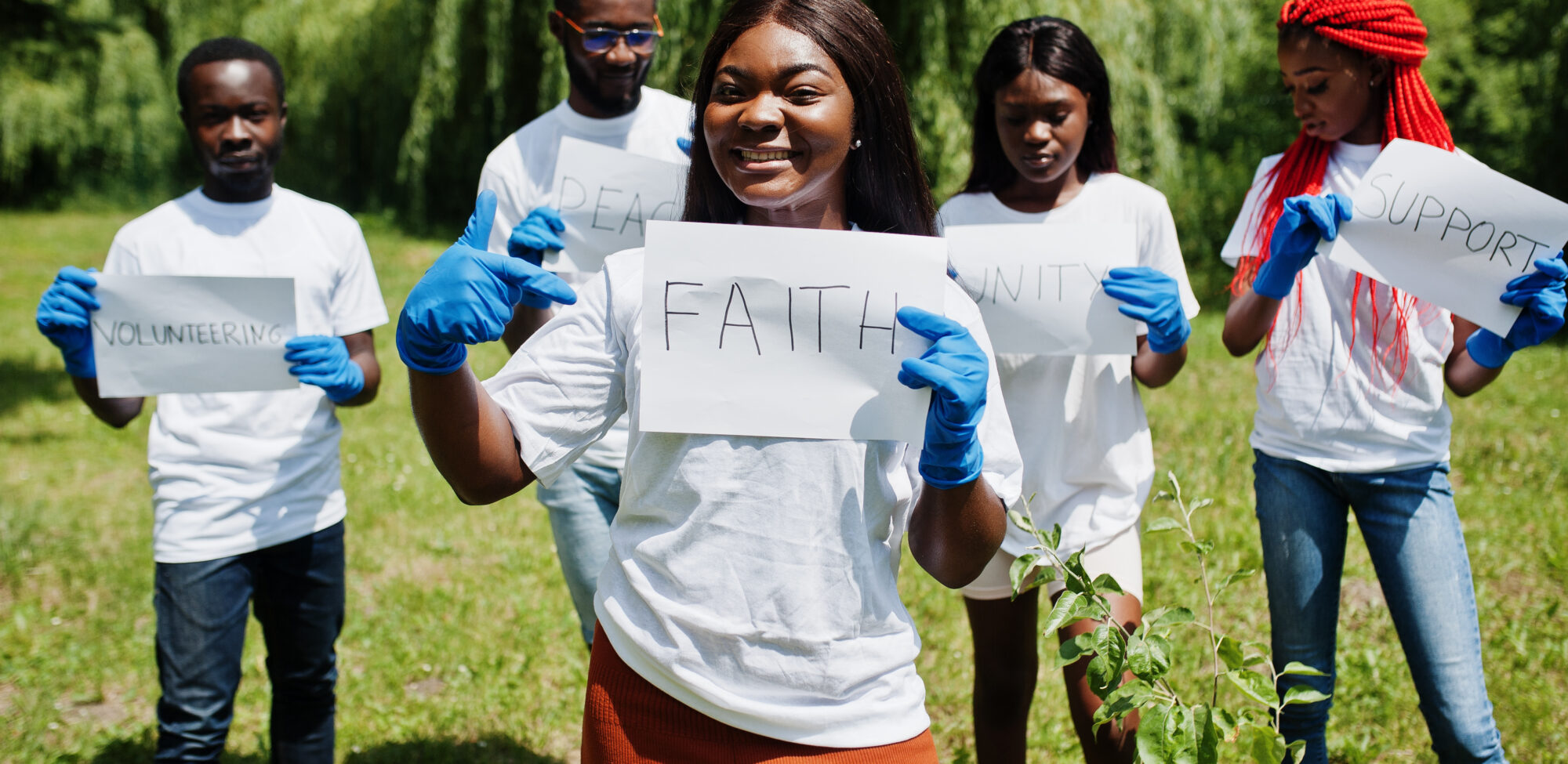
If your organization is planning a community outreach or CSR programme in Kenya this year, the conversation about transport usually happens last. It should happen first.
The vehicle you choose, the partner you book with, and the timing of that booking will shape how smoothly your programme runs, whether your team arrives and departs on schedule, and whether the work you came to do actually gets done. With Kenya’s peak season (July through October) closing in, this is the window to lock in reliable logistics, not the moment to leave it open.
Why transport quietly decides whether your CSR programme succeeds
A well-run outreach depends on more than goodwill, a clear agenda, and the right partners in the community. It depends on a vehicle arriving on time, navigating rural roads, and absorbing the realities of fieldwork: equipment, donations, team members, sometimes children or elders being transported short distances, weather changes, and schedules that shift on the day.
A breakdown three hours outside Nairobi is not a small inconvenience. It can derail a school launch, a clinic outreach, a water project handover, or a tree planting event you spent months coordinating. The right transport partner removes that risk before it ever shows up. The wrong one becomes the reason your programme is remembered for the wrong things.
Seven things to look for in a reliable CSR transport partner
Whether you are sourcing NGO vehicle hire for a week-long outreach or coordinating a corporate CSR convoy, use this as your shortlist.
1. A fleet matched to the route, not just to the headcount
Most transport companies size vehicles by passenger numbers. For CSR work, terrain matters as much as capacity. A 4×4 land cruiser is essential for outreach in northern Kenya, Pokot, or Turkana. A coaster bus is more efficient for a school visit in central Kenya or a corporate volunteer day in Kiambu. Ask for a fleet list, share your destinations, and confirm the partner can match the right vehicle to each leg.
2. Drivers who understand community terrain
A driver who runs airport transfers is not the same as one who has driven mission and CSR teams into remote regions. Experienced community drivers anticipate road conditions, navigate village access respectfully, manage interactions with local administration, and know when to slow down because livestock, children, or a market is on the road ahead. Ask how long their drivers have worked on NGO and outreach assignments specifically.
3. Verified insurance, licensing, and safety
This is non-negotiable. Confirm the company holds valid Tourism Regulatory Authority licensing, full commercial passenger insurance, regularly serviced vehicles, and seatbelts on every seat. Ask to see documentation. A reluctance to share licensing or insurance details is the clearest red flag you will encounter in this category.
4. Coordination support beyond the driver’s seat
Strong CSR car hire in Kenya means more than a vehicle and a driver. The best partners coordinate route planning, fuel logistics, driver accommodation, permits where applicable, and contingency plans for breakdowns or weather. This back-office work is what separates a transport vendor from a true logistics partner.
5. Flexibility for last-minute changes
CSR programmes change. A school visit gets rescheduled. A donation drop-off needs an extra day. Rain closes a road. Your transport partner has to absorb these changes without escalating costs or stalling the programme. Ask up front how the company handles itinerary changes, route extensions, and cancellations, and get the terms in writing.
6. Local knowledge and community access
The strongest partners do not just drive into a community. They understand it. This matters most where outreach involves sensitive issues (girls’ education, health interventions, FGM awareness campaigns) or where coordination with local chiefs, county officials, and church leaders is part of how things actually get done. Local knowledge saves time, builds trust, and protects your programme’s reputation.
7. CSR branding and visibility support
For corporates and larger NGOs, every CSR programme is also a story to tell. Some transport partners offer branded vehicle wraps, photography during programme execution, and storytelling content for your communications and CSR reporting needs. If your programme is also a brand-building moment, choose a partner who can support both sides of that work.
Why peak season (July to October) changes everything
Kenya’s peak travel season runs from July through October, anchored around the Great Wildebeest Migration in the Maasai Mara. During these four months, demand for project vehicle hire, 4×4 land cruisers, and minibuses climbs sharply across the country. Safari operators, mission teams, NGOs, conference delegations, and corporate visitors all compete for the same fleet.
By July, well-maintained vehicles are typically booked weeks in advance. Last-minute requests often default to less reliable operators at premium rates, and the flexibility to change dates or add extra days narrows significantly.
For CSR programmes scheduled between July and October, this means three practical things:
- The vehicles you would have chosen first may already be unavailable.
- Costs rise across the market as supply tightens.
- Itinerary changes become harder and more expensive to absorb.
Your booking window, in plain numbers
If your programme is scheduled for July through October 2026, the window to book confidently is closing fast. Here is a straightforward way to think about it:
- Programmes in July: should already be confirmed. If not, book this week.
- Programmes in August or September: lock in fleet, drivers, and routes during May or early June.
- Programmes in October: confirm before the end of June at the latest.
- Multi-vehicle convoys or 4×4-heavy outreach: add at least two weeks to each of the windows above.
After early June, you are no longer choosing the best partner for your programme. You are choosing from whatever is still available.
Why NGOs, foundations, and corporate CSR teams choose Mission Tours and Travel
Mission Tours and Travel has spent years building logistics partnerships with NGOs, churches, foundations, and corporate CSR teams operating across Kenya. What sets us apart is not only the fleet, but the way we work alongside your programme from planning through reporting.
- Fleet built for the work: 4×4 land cruisers, minibuses, coaster buses, and saloon vehicles, all regularly serviced and fully insured.
- Community-experienced drivers: trained for mission, outreach, and CSR routes across Maasai Mara, Amboseli, Mombasa, and remote counties.
- End-to-end coordination: permits, route planning, accommodation, contingency, and on-the-ground problem solving when the day shifts.
- Active community partnerships: water infrastructure, FGM awareness, church construction, and education outreach programmes we already work with.
- Brand and storytelling support: photography, content, and branded vehicle options for your communications and CSR reporting.
- Faith-based optional add-ons: rest-and-renewal safari days for mission teams once the work is done.
We treat your CSR or outreach programme as a shared mission. Your team arrives. The work happens. The story gets told. We handle everything in between.
| Lock in your transport before peak season locks you out. Planning a community outreach, mission, or CSR programme in Kenya between July and October 2026? Get a fleet recommendation, a clear quote, and confirmed availability within 24 hours of your enquiry. Visit missiontourandtravel.com | Call or WhatsApp our team today. |
Let us handle the journey. You focus on the mission.
Follow us on Instagram