
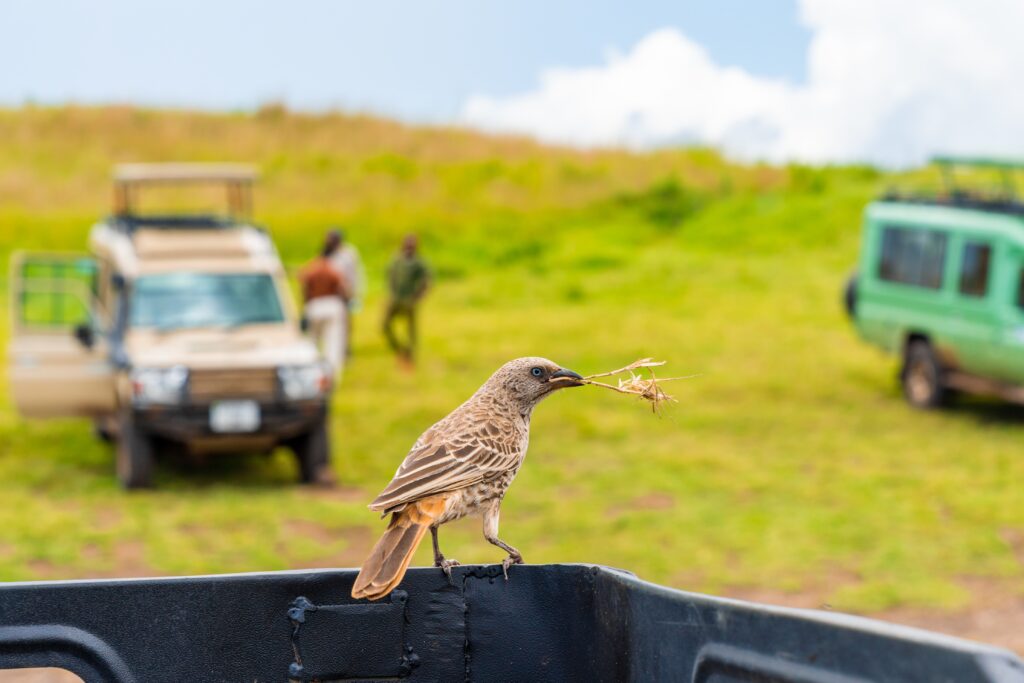
How to keep your mission trip on track, on budget, and fully focused on the people you are going to serve when the travel world gets busier.
Every year, as the world transitions into peak travel season, mission teams across churches, faith organisations, and humanitarian groups begin the final push to get their trips off the ground. Flights fill up. Costs rise. Schedules tighten. And yet the calling does not change. The question is not whether to go; it is how to go well.
At Mission Tours & Travel, this is the season we were built for. We exist to make sure that the logistical pressures of peak travel season never become a barrier between your team and the communities you are called to serve. This guide walks you through what to expect during this transition, and how to navigate it with confidence.
Why Travel During Peak Season Affects Mission Trips Differently
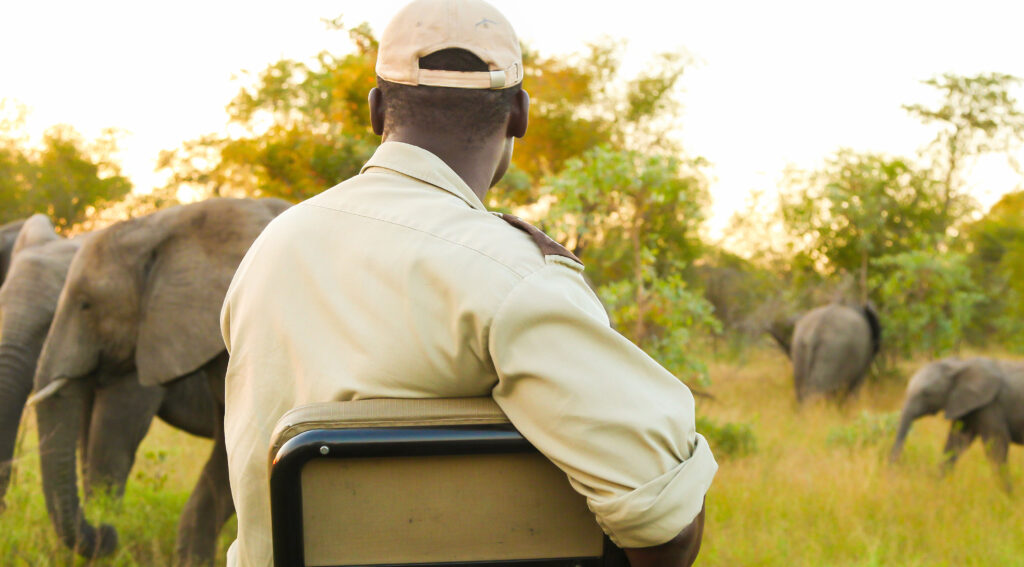
For leisure travellers, peak season is mostly about cost and crowds. For mission travellers, the stakes are higher. A missed connection does not just mean a delayed holiday; it means delayed medical outreach, a community waiting for a building project to begin, or a youth camp that cannot open without your team. The ripple effect of a poorly timed or under-planned mission trip can extend far beyond your group.
Peak travel season in most African destinations typically runs from June through October, coinciding with school holidays, the dry season, and peak wildlife tourism. This is also, not by coincidence, the period when the majority of church mission trips and outreach programmes are scheduled. Your teams are travelling at the same time as everyone else, which means the planning principles that might have worked in quieter months need to be applied earlier and more carefully.
“When you travel with purpose, preparation is not just practical. It is an act of respect for the people waiting on the other side of your journey.”
What Shifts During the Transition into Peak Season

FLIGHTS AND ACCOMMODATION BECOME SCARCE

International and regional flights to mission destinations such as Kenya, Uganda, Tanzania, Rwanda, and Malawi sell out weeks or even months ahead during peak season. Budget airline seats, which many mission teams depend on, go particularly fast. If your travel window is July to September, you should ideally be booking by March or April at the latest. Accommodation near programme sites, including guesthouses, mission stations, and partner facilities, also fills up quickly as other groups converge on the same regions.
PERMIT AND VISA PROCESSING TAKES LONGER
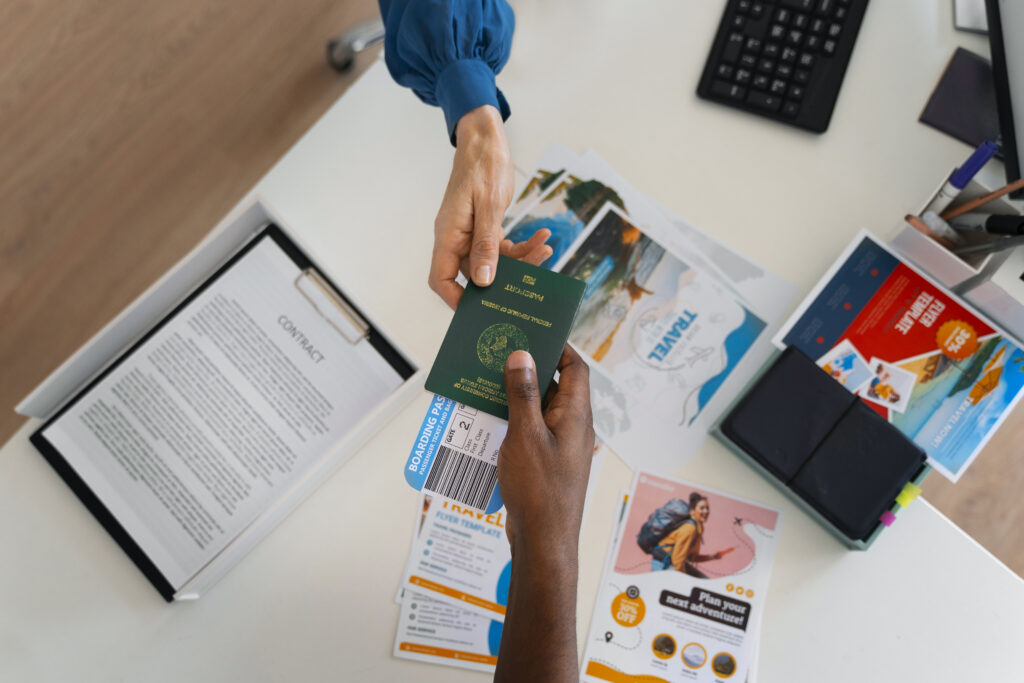
Government offices across East and Central Africa experience higher volumes of applications during peak season. Visa processing times, work permit approvals for longer-term teams, and special entry documentation for medical or educational outreach can all take longer than expected. Factor in additional lead time, and do not assume that the turnaround you experienced on a previous trip will apply during peak season months.
IN-COUNTRY LOGISTICS REQUIRE MORE COORDINATION

Vehicles, drivers, translators, and local guides are in higher demand. Community leaders and partner organisations are often managing multiple visiting teams simultaneously. Clear, early communication with your in-country contacts is essential. At Mission Tours & Travel, our ground network is active year-round precisely so that your team does not arrive to discover that a vehicle is double-booked or a partner contact is unavailable.
YOUR TEAM’S WELLBEING NEEDS EXTRA ATTENTION
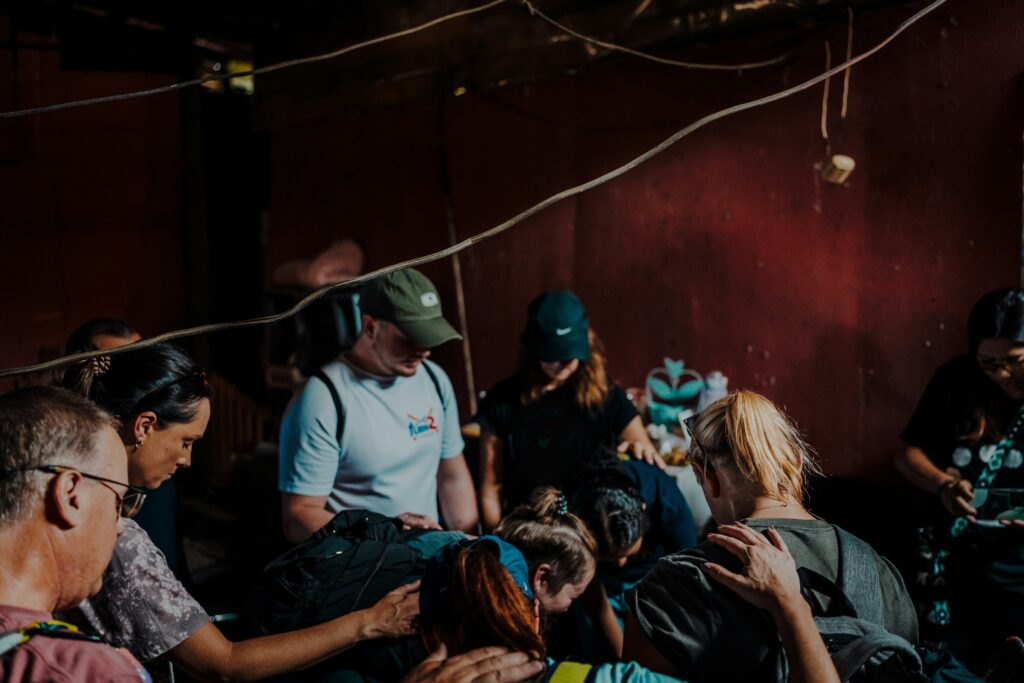
Peak season often means heat, higher humidity in some regions, and longer queues at transit points. For teams that include older adults, children, or members with health considerations, this requires proactive planning around medication, hydration, rest schedules, and medical cover. We work with teams to build travel health briefings and on-the-ground pastoral care into every itinerary we coordinate.
Mission Trip Pre-Season Checklist
- Confirm travel dates and begin flight bookings at least 60 to 90 days before departure, ideally earlier for large groups.
- Contact in-country partners early to confirm availability, accommodation, and programme schedules for your specific travel window.
- Initiate visa and any special permit applications well in advance, allowing for longer processing times during peak season.
- Ensure all team members have travel insurance that covers medical evacuation, trip disruption, and personal liability.
- Schedule a team briefing on peak season conditions: what to expect at airports, in communities, and on the road.
- Confirm vaccinations and health requirements are current for each destination, including yellow fever certificates where required.
- Assign a logistics coordinator within your team to liaise with Mission Tours & Travel throughout the pre-departure period.
Four Ways to Keep Your Mission Trip on Track
Peak season does not have to compromise your mission. Here is how we help teams stay focused on what matters most:

| 01 Book early, serve fully Mission trips planned months ahead secure better flights, lodges, and in-country logistics, freeing your team to focus entirely on the work. | 02 Flex days are not wasted days Build buffer days into your itinerary. Delays at borders, medical needs, or extended community time are common. Space creates grace. | 03 Brief your team thoroughly Prepare team members for what peak season looks like on the ground: busier airports, longer queues, and a livelier local atmosphere. | 04 Lean on our ground network Our in-country partners and vetted local contacts keep your team safe and on schedule, even when peak season throws surprises. |
Staying Centred on the Mission When Logistics Get Loud
One of the things we hear most often from mission team leaders is that they spend so much energy managing travel logistics that they arrive on the field already depleted. That is a gap we take seriously. When your team touches down, they should be rested, oriented, and ready to engage, not exhausted from navigating a chaotic journey.
Our role is to carry the logistical weight so that your team can carry the spiritual and practical one. From airport transfers timed to your flight arrivals, to pre-arranged accommodation with security-vetted hosts, to 24-hour support during your travel days, we build your itinerary around the mission, not around the convenience of the travel calendar.
“We do not just move mission teams from A to B. We protect the conditions that make the mission possible.”
We have walked with teams through medical emergencies in remote areas, rerouted groups around unexpected road closures, and coordinated last-minute programme changes when community needs shifted on arrival. Peak season brings more variables, but it also brings more of the moments that remind us why this work matters.
Your Calling Does Not Have an Off-Season
The world does not slow down for mission work, and neither do we. Whether your team is heading out for two weeks of community health outreach, a building project, a school programme, or an extended church partnership visit, peak travel season is navigable with the right preparation and the right partner by your side.
Start your planning early. Lean on our expertise. And show up to the field with your energy where it belongs, on the people you came to serve.
PLAN YOUR MISSION TRIP
Let Us Handle the Journey. You Focus on the Mission.
From first enquiry to safe return, Mission Tours & Travel coordinates every detail of your trip so your team can give everything to the work they were sent to do.
Email: info@missiontoursandtravel.com
Follow us on Instagram