
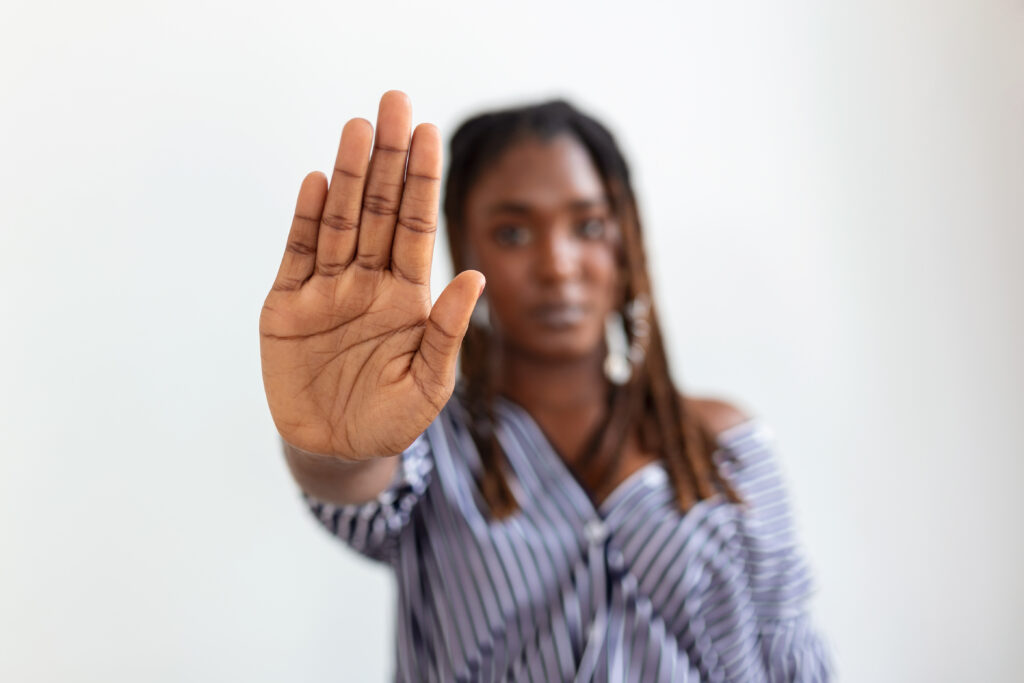
Female Genital Mutilation (FGM) remains one of the most pressing human rights issues affecting girls and women worldwide. Every March, the world pauses to celebrate the strength, resilience, and achievements of women. We mark milestones, honor trailblazers, and recommit to a future where every girl grows up with the full dignity and freedom she deserves. Yet for an estimated 230 million girls and women alive today, that dignity was stolen from them in the form of Female Genital Mutilation (FGM).
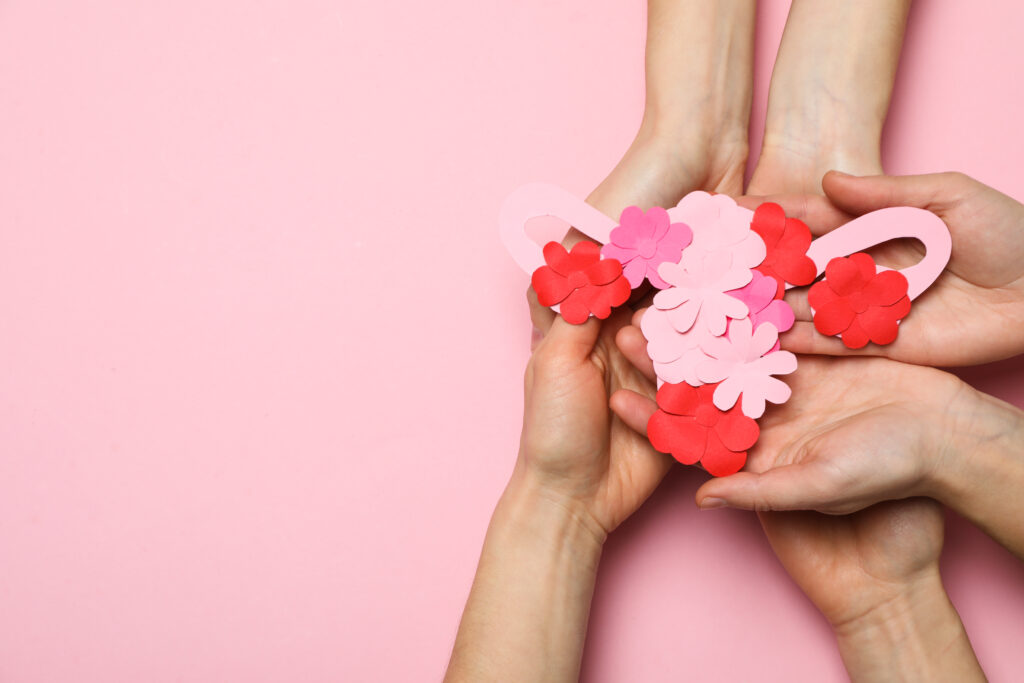
As we celebrate Women’s History Month, we cannot look away.
What Is FGM?
Female Genital Mutilation refers to all procedures involving the partial or total removal of the external female genitalia, or other injury to the female genital organs for non-medical reasons. The World Health Organization (WHO) classifies it into four types, ranging from partial removal of the clitoris to infibulation, the most severe form.
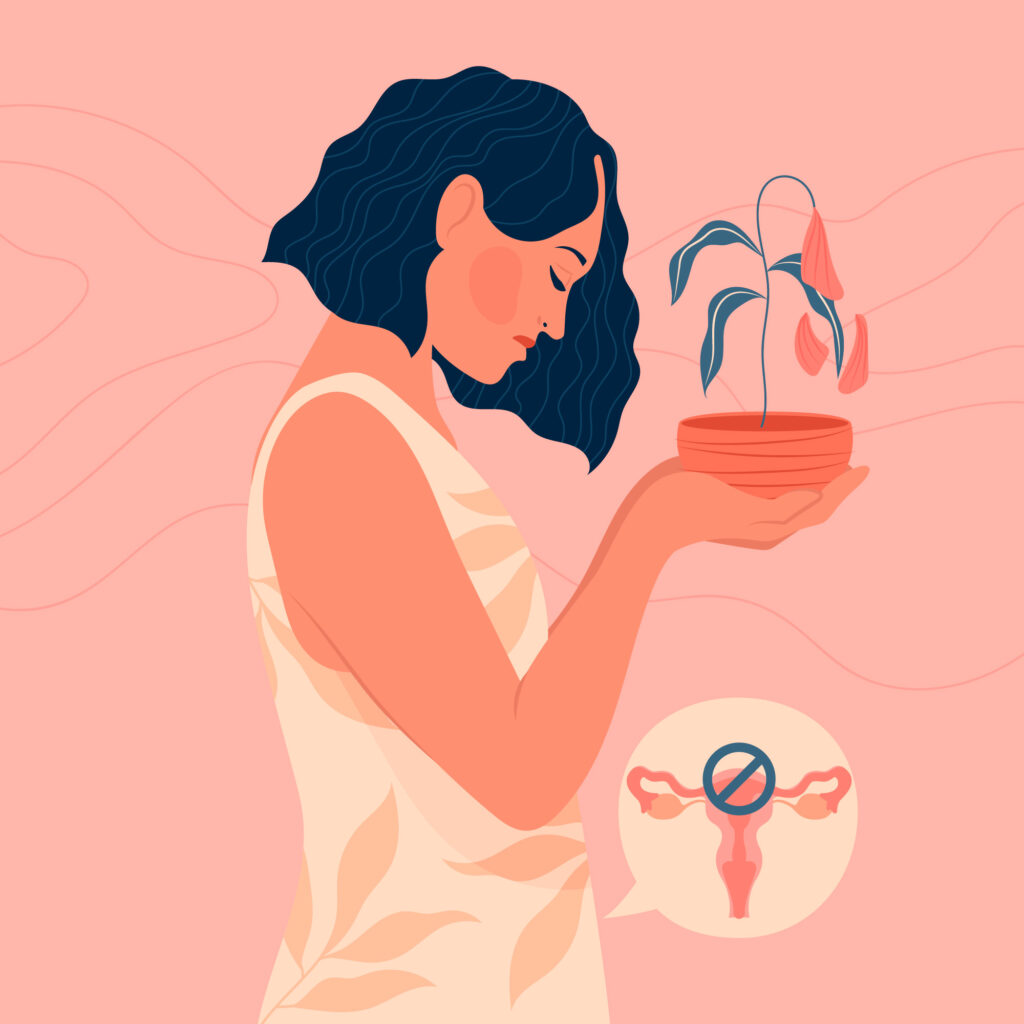
It is practiced across parts of Africa, the Middle East, and Asia, and increasingly affects diaspora communities around the world, including in Kenya, where it remains a pressing concern in several counties despite being criminalized under the Prohibition of Female Genital Mutilation Act of 2011.
The numbers are staggering, but behind every statistic is a girl, a daughter, a sister:
3 million girls are at risk of FGM every year.
1 in 3 girls who undergo FGM experience it before the age of 5.
Survivors face lifelong consequences including chronic pain, complications during childbirth, severe psychological trauma, post-traumatic stress disorder, and in many cases, death.
No religion mandates it. No medical body endorses it. It is rooted entirely in the control of women’s bodies and sexuality.
March is Women’s History Month, and the UN’s International Day of Zero Tolerance for FGM falls on 6 February each year, but the conversation must not stop there. March amplifies it: International Women’s Day (8 March) is a global platform to demand gender equality in all its forms, and freedom from FGM is non-negotiable in that conversation.
Women’s History Month is a reminder that progress is made not just by celebrating the past, but by confronting the present with honesty and courage.
Kenya made history with its legal prohibition of FGM, but laws alone do not change culture. In counties such as Samburu, Kisii, and parts of the Rift Valley, prevalence rates remain high. Grassroots organisations, community elders, women champions, and young people are doing extraordinary work to shift deeply held beliefs, often at great personal risk.
Alternative Rite of Passage (ARP) programmes have proven especially powerful, offering communities a way to honour girls’ transitions to womanhood without physical harm. These programmes deserve far more visibility, funding, and replication.
Listen to survivors. Their stories are the most powerful tools for change. Follow and amplify survivor-led organisations and advocates.
Support local organisations working on the ground in communities where FGM is practised. Funding grassroots work matters enormously.
Talk about it. Silence protects harmful practices. Conversations, even uncomfortable ones, are the beginning of change.
Advocate for girls in school. Education is one of the strongest protective factors against FGM. Support girls’ education initiatives.
Hold governments accountable. Existing laws must be enforced, and healthcare workers must be trained to support survivors.
Women’s History Month is not just a look back. It is a blueprint forward. Every activist who spoke up, every survivor who told her story, every community that chose a different path, has brought us closer to a world where no girl will ever have to face FGM.
That world is possible. But it requires all of us.
This March, choose to be part of the change.
If you or someone you know has been affected by FGM, support is available. Reach out to the Gender Violence Recovery Centre (GVRC) in Nairobi or contact the Amref Health Africa FGM programme for resources and assistance.
Follow us on Instagram